Protective Clothing Manufacturing: Meeting Production Challenges
Every day, millions of people rely on protective clothing without giving it much thought.
From firefighters and healthcare workers to industrial operators and laboratory technicians, protective garments serve as an invisible layer of safety — shielding them from heat, chemicals, mechanical risks, and other hazards.
But behind this essential protection lies a complex manufacturing process.
Protective clothing must meet strict performance requirements, ensure consistent quality, and provide full traceability across materials and production stages. Even small variations in production can have significant consequences.
In this article, we explore the challenges involved in protective clothing manufacturing, and how digital systems support reliable and controlled production processes.
The Role of Protective Clothing in Modern Industries
Protective clothing plays a critical role across a wide range of industries where safety and performance are essential.
These garments are designed to protect workers and users from specific risks, depending on the environment in which they are used.
They are commonly applied in emergency services, industrial environments, healthcare settings, construction, and logistics, where exposure to heat, chemicals, mechanical stress, or low visibility conditions requires specialized solutions.
In these contexts, textiles are not only functional but also engineered to deliver consistent performance, combining durability, flexibility, and resistance to external factors.
Types of Protective Textiles and Their Applications
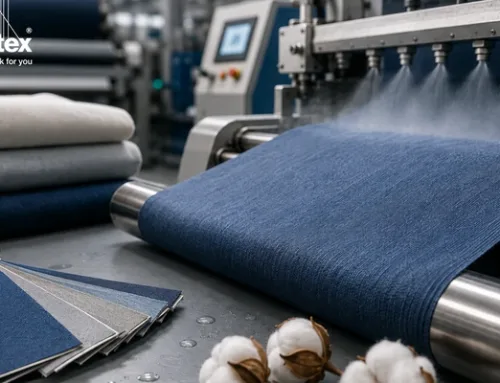
Protective clothing is produced using a variety of technical textiles engineered for specific performance requirements.
Common operational challenges include:
• Flame-resistant fabrics designed to withstand high temperatures
• Waterproof and chemical-resistant materials for hazardous environments
• Breathable barrier fabrics used in medical and laboratory settings
• Reinforced textiles for mechanical protection
• Multi-layer composite materials combining different protective properties
These materials must maintain consistent performance under demanding conditions, making precise production control essential.
Operational Challenges in Protective Clothing Manufacturing
Manufacturers of protective clothing operate in highly demanding production environments where consistency and reliability are critical.
Common operational challenges include:
• Managing complex, multi-stage production processes
• Ensuring consistent material performance across batches
• Maintaining strict quality control throughout production
• Handling specialized materials and multiple fabric layers
• Coordinating production planning with fluctuating demand
• Tracking materials and components across the production chain
Without integrated systems, maintaining control over these variables can be difficult, especially at scale.
Why Quality and Traceability Are Critical
In protective clothing manufacturing, product performance is directly linked to safety.
Even minor inconsistencies in materials or production processes can affect the effectiveness of the final product. For this reason, manufacturers must ensure consistent quality across all production stages and maintain full traceability of materials, batches, and processes.
Accurate documentation of production and testing data is also essential, enabling companies to identify and resolve potential issues quickly.
This level of control supports not only operational efficiency but also confidence in product reliability.
How Digital Systems Support Protective Clothing Production
To manage these complex requirements, manufacturers increasingly rely on digital systems to integrate and control production processes.
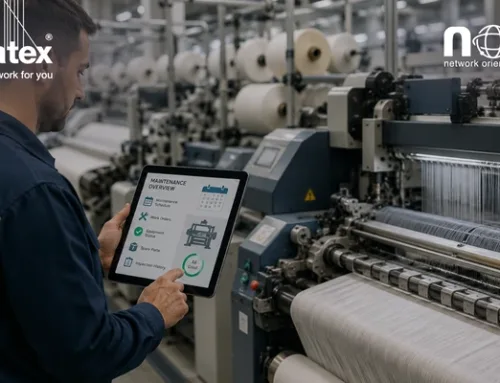
NOW ERP system designed for textile manufacturing enable companies to centralize production planning, integrate quality management and testing data, and maintain traceability across materials and production stages.
They also provide real-time visibility into production performance and improve coordination between departments.
By connecting operational data into a single system, manufacturers gain better control over processes and can respond more effectively to changing production conditions.
Key Capabilities Manufacturers Should Consider
When evaluating digital solutions, protective clothing manufacturers should focus on capabilities that support both efficiency and product reliability.
Important capabilities include:
• Advanced production planning and scheduling
• Integrated quality management
• Batch and material traceability
• Real-time shop floor data collection
• Inventory and material tracking
• Reporting and analytics for performance monitoring
These capabilities help manufacturers maintain consistent production standards while adapting to changing operational requirements.
Conclusion
Protective clothing manufacturing is a complex and demanding field where safety, reliability, and consistency are essential.
As industries continue to require higher levels of protection and performance, manufacturers must ensure precise control over materials, processes, and production environments.
Digital solutions such as specialized NOW ERP system support these goals by integrating production planning, quality management, and traceability into a single operational framework.
By adopting these solutions, manufacturers can improve efficiency, maintain product reliability, and respond more effectively to evolving industry demands.