Preventive Maintenance in Textile Production: Why It Matters
A machine rarely breaks down at a convenient time.
Production is running smoothly, operators are focused on their tasks, and customer orders are progressing according to schedule. Then, without warning, a critical machine stops.
At first, it may seem like a minor issue. But within minutes, production schedules need to be adjusted, operators are left waiting, maintenance teams are called in, and delivery commitments suddenly become more difficult to meet.
In textile manufacturing, where multiple processes are closely connected, a single equipment failure can quickly affect an entire production flow.
While unexpected breakdowns can never be eliminated completely, manufacturers can significantly reduce their impact through effective maintenance planning. Preventive maintenance helps companies keep equipment reliable, support production continuity, and reduce the risk of costly disruptions.
In this article, we explore why preventive maintenance matters, the challenges manufacturers face, and how digital systems support more effective maintenance management.
The Cost of Unexpected Downtime
Unplanned downtime affects much more than the machine itself.
When a critical piece of equipment becomes unavailable, production schedules may be disrupted, operators can be left waiting, and customer deliveries may be delayed. Maintenance teams often need to react quickly, sometimes without the necessary spare parts or resources readily available.
The consequences can include:
• Production interruptions
• Missed delivery deadlines
• Increased repair costs
• Reduced equipment lifespan
• Lower overall productivity
Even short periods of downtime can create operational challenges, especially in manufacturing environments where multiple processes depend on one another.
Why Reactive Maintenance Is Not Enough
Many companies still rely heavily on reactive maintenance, addressing problems only after equipment failures occur.
While this approach may seem practical in the short term, it often results in higher costs and greater operational disruption over time. Emergency repairs can require additional labor, urgent spare parts purchases, and unexpected production adjustments.
Reactive maintenance also makes it more difficult to plan resources effectively, as maintenance activities are driven by failures rather than schedules.
As production environments become more complex, relying solely on reactive maintenance can limit operational efficiency and reduce equipment reliability.
What Is Preventive Maintenance
Preventive maintenance focuses on performing planned maintenance activities before failures occur.
Rather than waiting for equipment to break down, manufacturers schedule inspections, cleaning, lubrication, servicing, and other routine tasks based on predefined maintenance plans.
The goal is to identify potential issues early and maintain equipment in optimal operating condition.
Preventive maintenance helps manufacturers:
• Reduce unexpected equipment failures
• Improve machine reliability
• Extend equipment lifespan
• Improve workplace safety
• Support more stable production operations
By taking a proactive approach, companies can often reduce the impact of maintenance activities on day-to-day production.
Why Quality and Traceability Are Critical
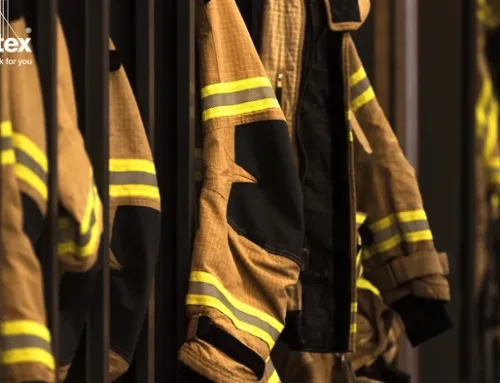
In protective clothing manufacturing, product performance is directly linked to safety.
Even minor inconsistencies in materials or production processes can affect the effectiveness of the final product. For this reason, manufacturers must ensure consistent quality across all production stages and maintain full traceability of materials, batches, and processes.
Accurate documentation of production and testing data is also essential, enabling companies to identify and resolve potential issues quickly.
This level of control supports not only operational efficiency but also confidence in product reliability.
Common Maintenance Challenges in Textile Manufacturing
Implementing preventive maintenance is not always straightforward.
Textile manufacturers often operate large numbers of machines across multiple production areas. Coordinating maintenance activities while keeping production running efficiently can be challenging.
Common challenges include:
• Managing maintenance schedules across multiple machines
• Coordinating technicians and maintenance resources
• Tracking spare parts availability
• Monitoring maintenance costs
• Recording inspections and maintenance history
• Balancing maintenance requirements with production priorities
Without centralized visibility, these activities can quickly become difficult to manage using spreadsheets and manual processes alone.
How Digital Systems Support Maintenance Operations
As maintenance requirements become more complex, manufacturers increasingly rely on digital systems to improve visibility and control.
Integrated ERP solutions help maintenance teams plan activities, manage resources, track costs, and monitor equipment performance within a centralized environment.
Instead of maintaining separate records across multiple systems, manufacturers can access maintenance schedules, resource availability, spare parts information, and operational data from a single platform.
This improves coordination between maintenance and production teams while supporting more informed decision-making.
Key Capabilities Manufacturers Should Consider
When evaluating maintenance management solutions, manufacturers should look for capabilities that support both operational efficiency and long-term equipment reliability.
Important capabilities include:
• Preventive maintenance scheduling
• Breakdown maintenance management
• Inspection planning and tracking
• Maintenance cost monitoring
• Spare parts management
• Resource allocation and workload visibility
• Mobile access for maintenance teams
• Integration with production and inventory data
These capabilities help organizations move from reactive maintenance practices toward a more structured and proactive approach supported by a dedicated Plant Maintenance module.
Conclusion
Preventive maintenance is an important part of maintaining reliable and efficient textile production operations.
By planning maintenance activities before failures occur, manufacturers can reduce downtime, improve equipment performance, and support more stable production schedules.
As production environments continue to evolve, digital maintenance management solutions provide the visibility and coordination needed to manage equipment, resources, and maintenance activities more effectively.
A proactive maintenance strategy not only helps protect equipment but also contributes to improved operational performance across the entire manufacturing process.